By Dupson Collins November 7, 2026
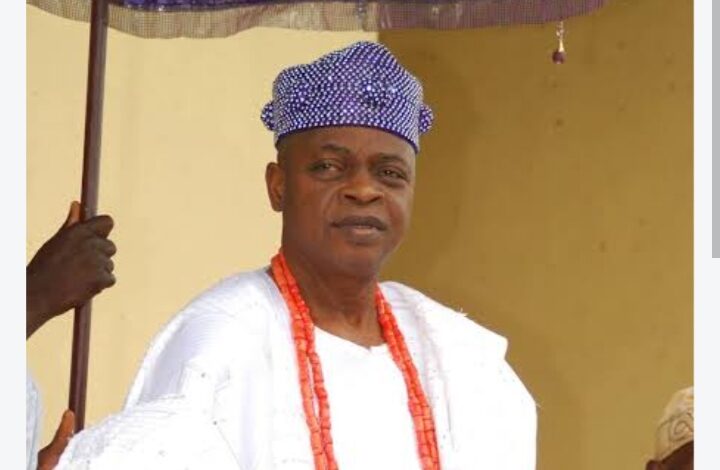
The Olowa of Igbara-Oke, His Royal Majesty, Oba Dr. Francis Adefarakami Agbede Ogidi III, OFR, has declared that Igbara-Oke was never under the authority of the Akure community, warning against any attempt to rewrite the history of the town.
The monarch, who is also the Director-General of the Southwest Nigeria Council of Traditional Rulers, made the declaration at a historic press conference held at the Olowa Palace, Igbara-Oke, in Ifedore Local Government Area of Ondo State.
Oba Agbede said Igbara-Oke is not fighting Akure, but is only settling the record straight on its ancestral origin and preserving its cultural heritage for future generations.
“Igbara-Oke is not fighting Akure, but we are settling the record straight,” the Olowa said. “We caution against re-writing history. Igbara-Oke at no time was under the authority of Akure Community.”
He traced the origin of Igbara-Oke directly to Ile-Ife, the cradle of Yoruba civilisation, saying the town was founded by Arajaka/Adeyigba, a prince from Ife who migrated with his warriors in the 15th century.
According to the monarch, the migration followed the collapse of Obalufon Alayemore’s kingdom in Ife, and the settlers stopped at Ilesa, Alaaye and Olowinrin for thirteen years before settling on the hill that became Igbara-Oke — “Oke” meaning “on the hill.”
Olowa said the clarification has become necessary to address historical misconceptions, including claims in some Akure histories that Igbara-Oke was a vassal town brought under Akure under Deji Ogoro in the 18th century.
He insisted that Igbara-Oke is an independent Ife-founded kingdom with its own Olowa, its own crown, and its own heritage, and not a creation of Akure.
The event was attended by chiefs from Ife the Source, traditional rulers, chiefs, members of the press, and eminent sons and daughters of Yoruba land.
The monarch urged sons and daughters of Igbara-Oke at home and in the diaspora to embrace the truth of their heritage and work collectively to preserve their cultural identity.
“A people who understand their history are better equipped to define their identity, protect their cultural values, and chart their future with confidence,” he said.
He prayed for peace and prosperity to reign in Igbara-Oke and throughout Yoruba land.